Describe one real recording session
Write down each source that must have its own track during the same performance. A voice through one microphone needs one suitable channel. A voice and a guitar pickup recorded together need two. A keyboard’s stereo audio output occupies two line channels before a vocal microphone is added. Count the audio sources, not the number of people in the room.
Decide whether recording parts separately is acceptable. Overdubbing a guitar and then a vocal can work with fewer inputs, but it does not capture the interaction of singing and playing at once. If that combined performance is the point, buying fewer channels creates a workflow compromise rather than simply saving money on unused sockets.
Check which kinds of inputs are available
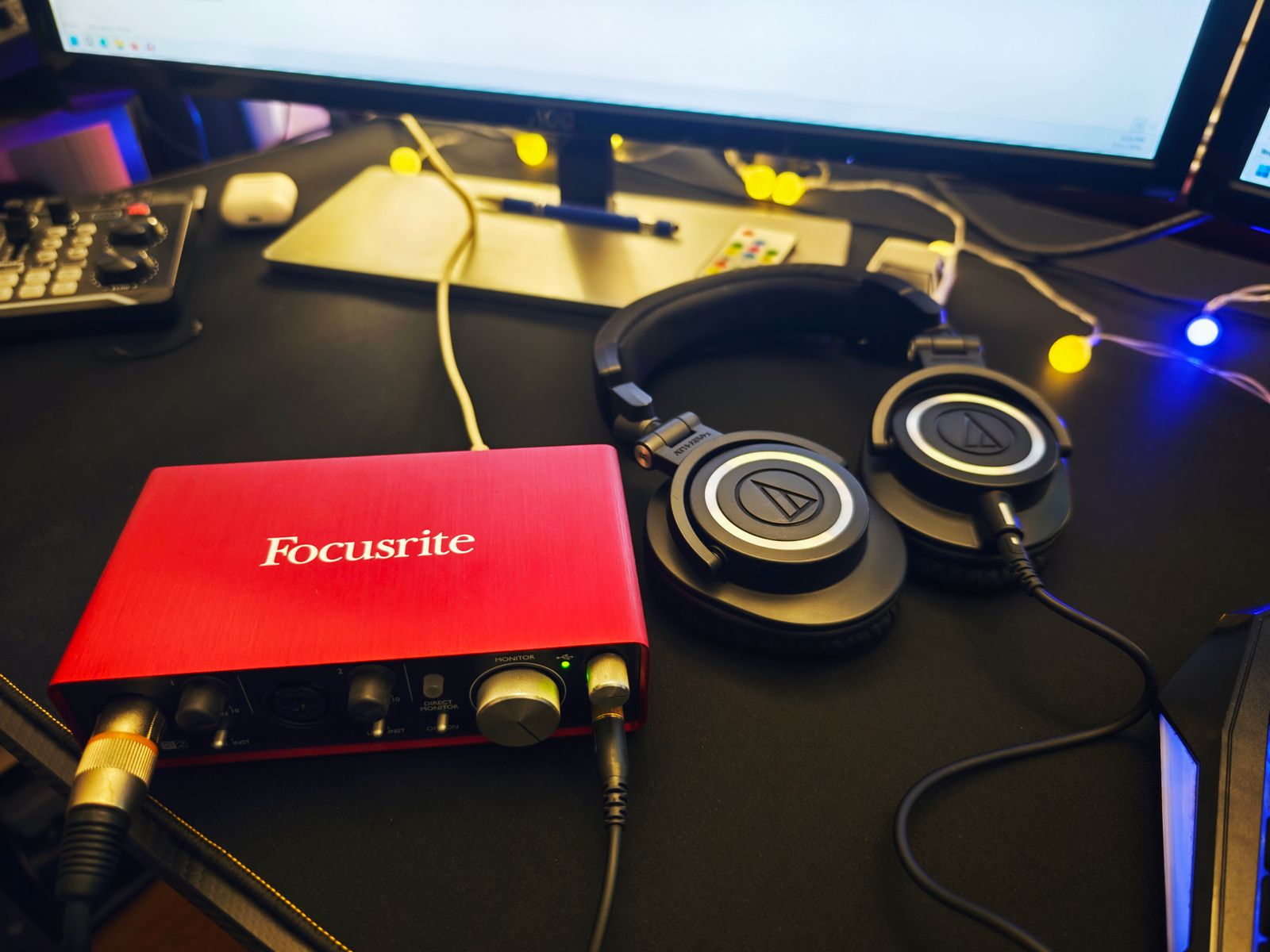
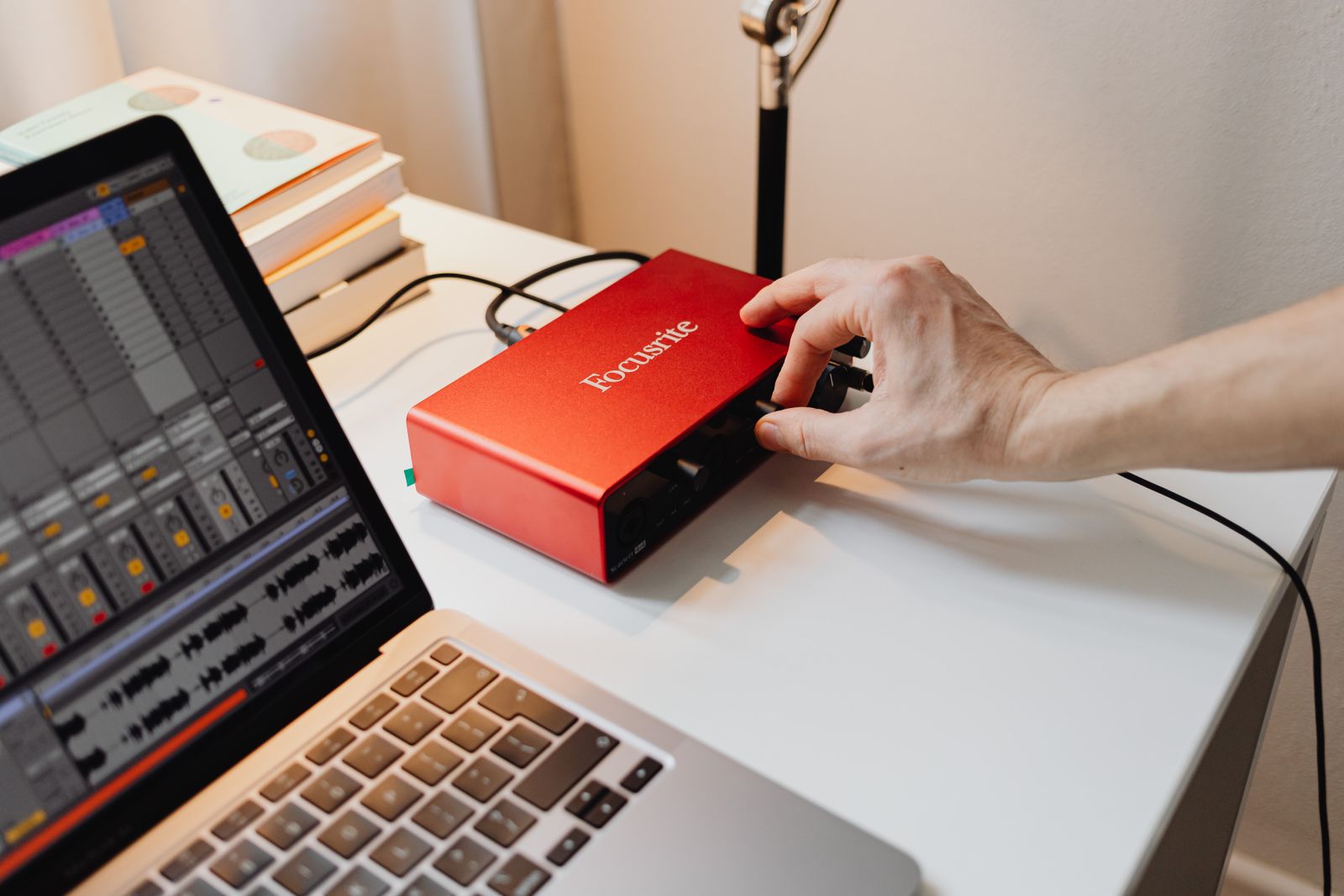
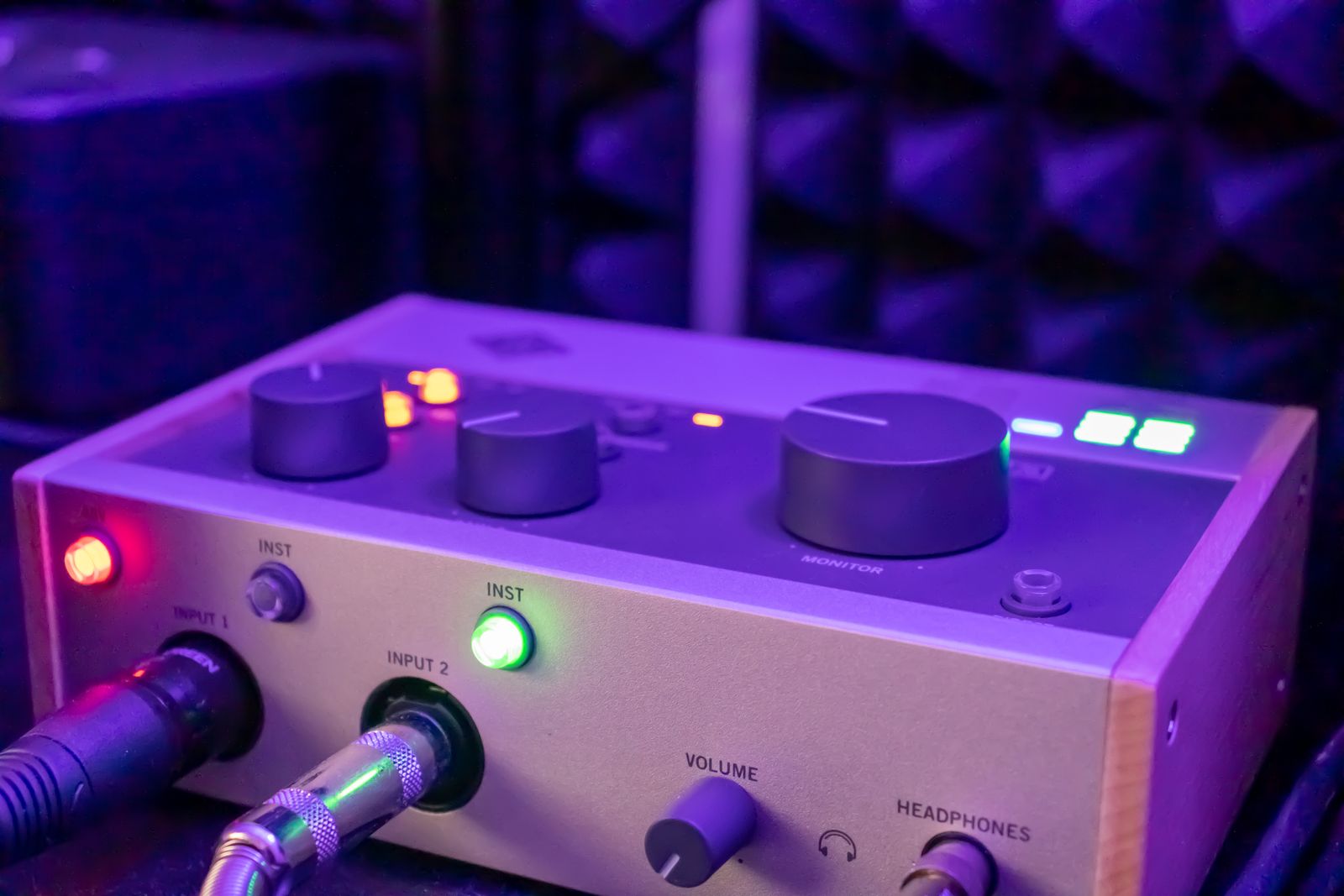
Two channels are not necessarily two microphone preamps. A compact interface might provide one microphone input and one instrument input, or two channels that each accept several source types. Consult the manual’s input table. A combo socket accepts alternative connectors for one channel; it should not be counted as two independent inputs.
Software loopback and digital expansion can appear in a total input count. They do not automatically provide extra physical microphone connections. If expansion requires another preamp or converter, include that equipment in the budget. For a first setup, a clear diagram of the available analog channels is more useful than the largest number in the product name.
Leave room for a plausible next step
Think about the next session you are genuinely likely to attempt. A second microphone for an acoustic instrument may justify a second preamp. A vague possibility of recording a full band years from now is a weaker reason to buy a large interface immediately. Balance the likely use against desk space, power requirements, and the complexity of routing.
Before settling on a model, assign each planned source to a named input and each listening destination to an output. Include headphones for anyone performing. If the arrangement requires moving a cable halfway through a live take, the input plan is incomplete. If every intended source has a suitable independent channel, additional unused inputs are a choice rather than a necessity.