Find the front of the microphone
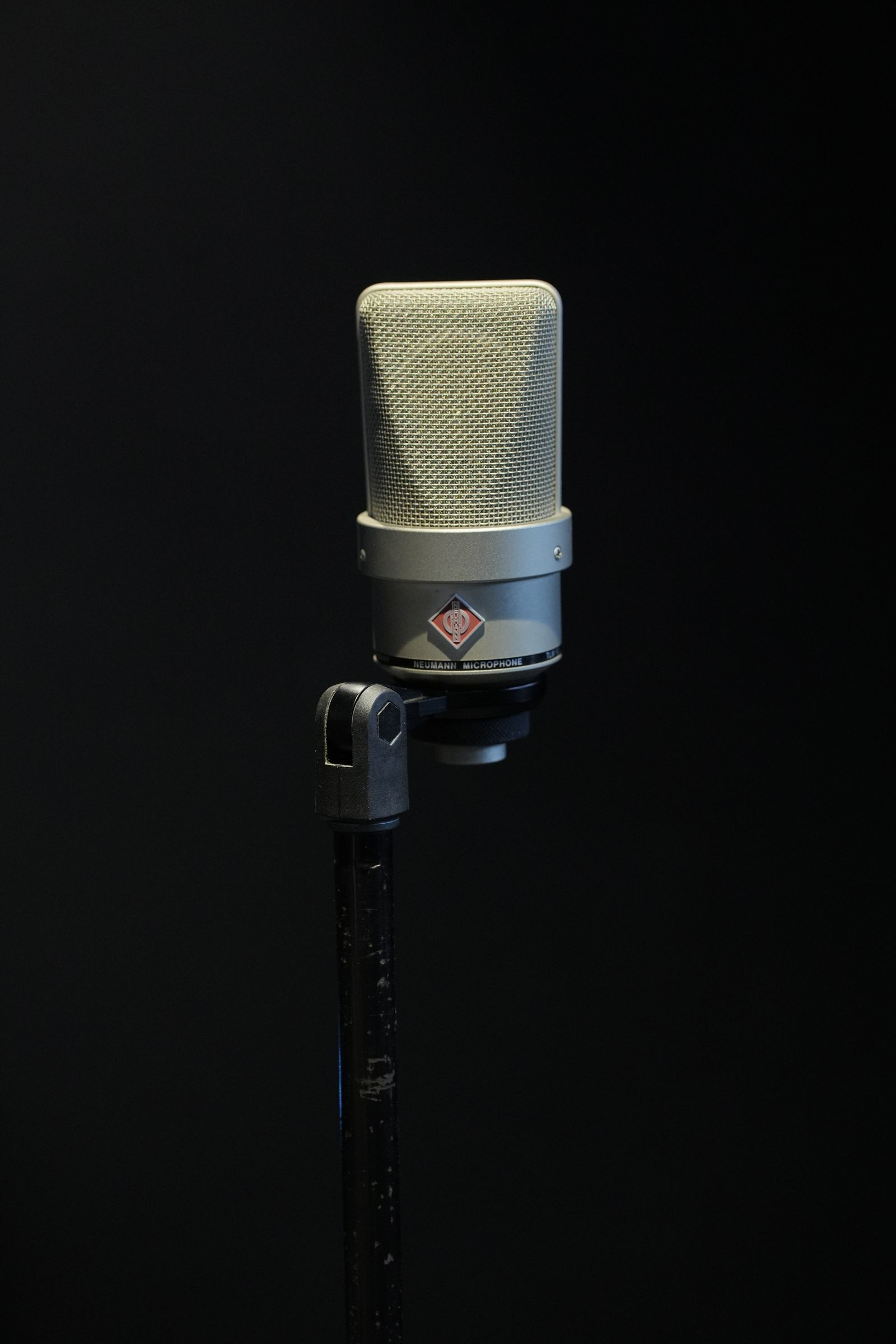
Check the microphone’s diagram before positioning it. Some models are addressed at the end; others are addressed from the side. A logo may help identify the front on a particular model, but do not treat that as a universal rule. If the microphone offers selectable patterns, confirm that cardioid is actually selected.
Shure describes a cardioid microphone as most sensitive toward the front, with reduced pickup behind it. The pattern diagram is a guide to direction, not a hard boundary beyond which sound cannot enter. Reflections from the room can still arrive from several directions, and the microphone’s behavior can vary with frequency.
Place the unwanted sound thoughtfully
If a computer fan is the main distraction, experiment with placing it toward the microphone’s less-sensitive rear direction while keeping the voice on the intended axis. Do not block computer ventilation to make the room quieter. Move the computer or microphone only within a safe, workable desk arrangement and record a short comparison.
Consider the surfaces around the performer as well as those behind the microphone. A nearby bare wall can reflect the voice back into the pickup area. Changing where the performer faces or moving away from a reflective surface may be more useful than simply rotating the microphone in place. Listen to the recorded result rather than judging the room only with your ears while speaking.
Keep the performance position repeatable
Choose a distance that gives the desired balance and allows natural movement. Mark the stand position and use a pop filter or another visual reference to help maintain distance without touching the microphone. Turning away to read a second screen changes the relationship to the pickup pattern, so place scripts where they can be read without large head movements.
Compare a short passage in two positions with the same recording settings, then label the takes. Include a pause so the background is easy to assess. A cardioid microphone can help you use direction to your advantage, but the improvement comes from a complete arrangement of performer, microphone, and room. Replacing it with another cardioid model while preserving an awkward position may leave the central problem unchanged.