Start with leakage and a consistent fit
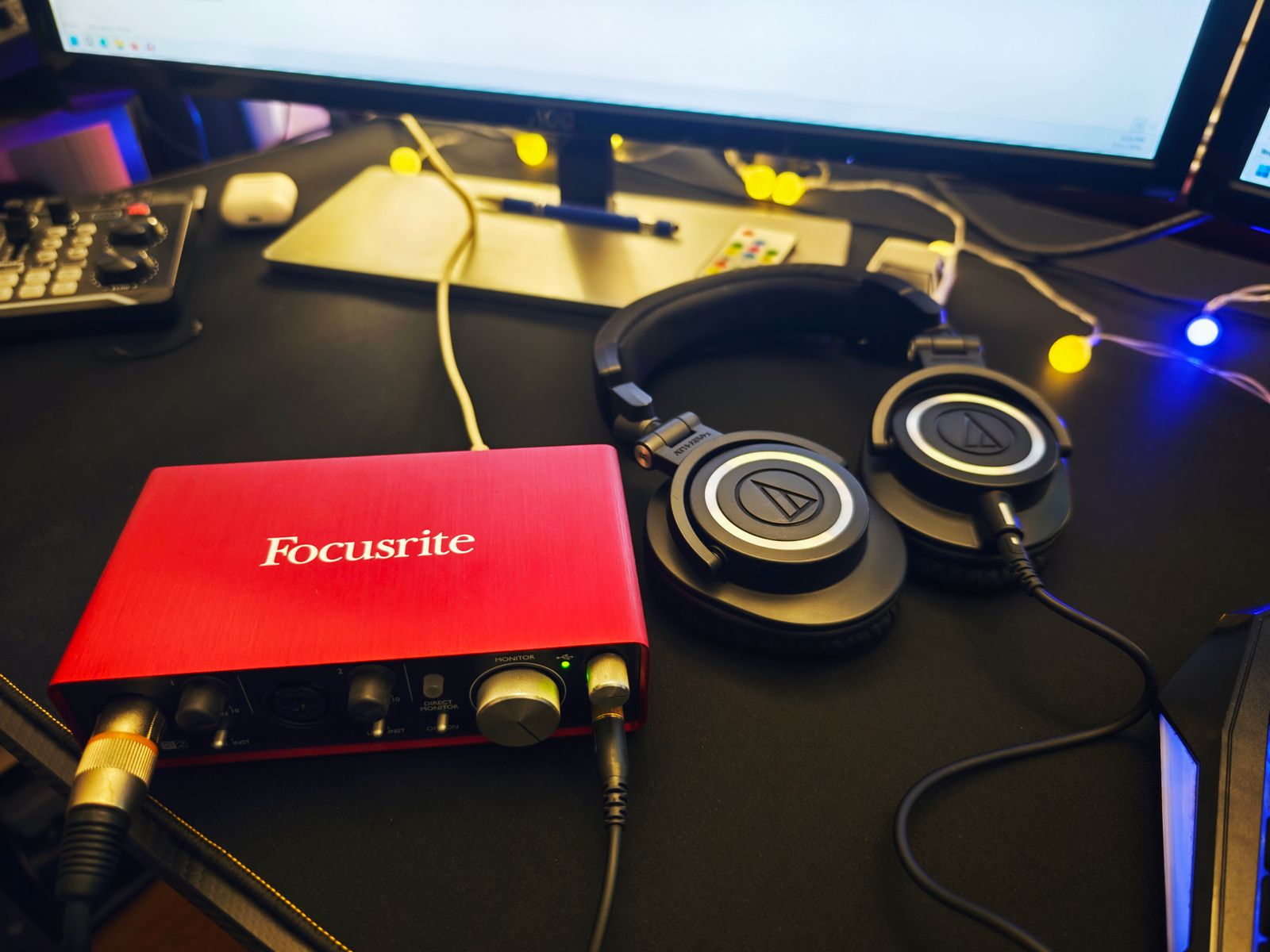
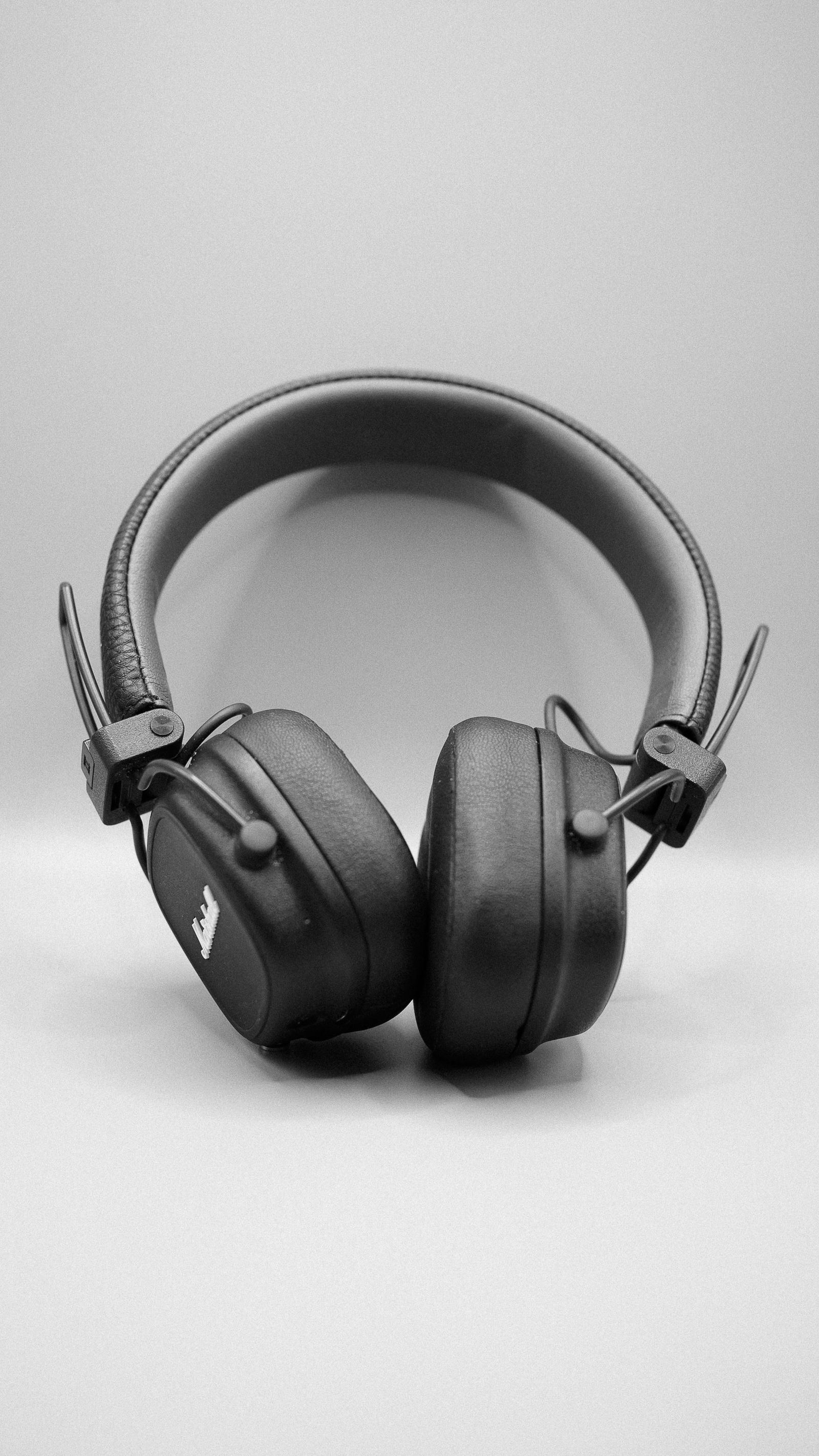
Closed-back headphones are a common choice for recording because their construction reduces sound escaping into the room compared with an open design. Beyerdynamic identifies this as a reason for using closed headphones during tracking. The enclosure is not a guarantee of silence, so fit and playback level still need to be checked with the actual microphone.
Have the singer wear the headphones in the intended position and record a pause while the backing track or click plays. Listen to that recorded pause. If spill is distracting, check the seal and reduce unnecessary playback level before assuming a different microphone is required. A loose cup or a habit of lifting one side can change the result substantially.
Build a mix that does not demand excess volume
Ask whether the singer needs more voice, less backing track, or a clearer rhythmic cue. These are balance requests, not necessarily requests for a louder entire mix. Keep the headphone level comfortable and adjust the relevant source. If the singer hears an echo or doubled voice, inspect direct and software monitoring routes rather than increasing volume to overpower it.
Try the headphones with the performer’s glasses and normal head movement. A pressure point or slipping band can cause repeated adjustments during a take. Controls should be accessible without bumping the microphone. For a shared recording setup, choose a fit range and cleaning routine that suit the people who will use the pair.
Manage the cable around the performance
Route the cable behind or beside the performer where it will not scrape across clothing, the guitar, or the microphone stand. Leave enough slack for a natural posture but keep excess length away from feet. If an extension is used, test the complete connection before recording and avoid placing a bulky adapter where it pulls on the headphone socket.
Keep a short reference recording of the completed setup, including a loud phrase and a pause. Recheck when changing the headphone mix, microphone position, or performer. The most useful tracking pair is not necessarily the one that sounds most dramatic during casual music listening; it is the one that supports a comfortable performance and a clean, repeatable recording arrangement.