Listen to the room through the microphone
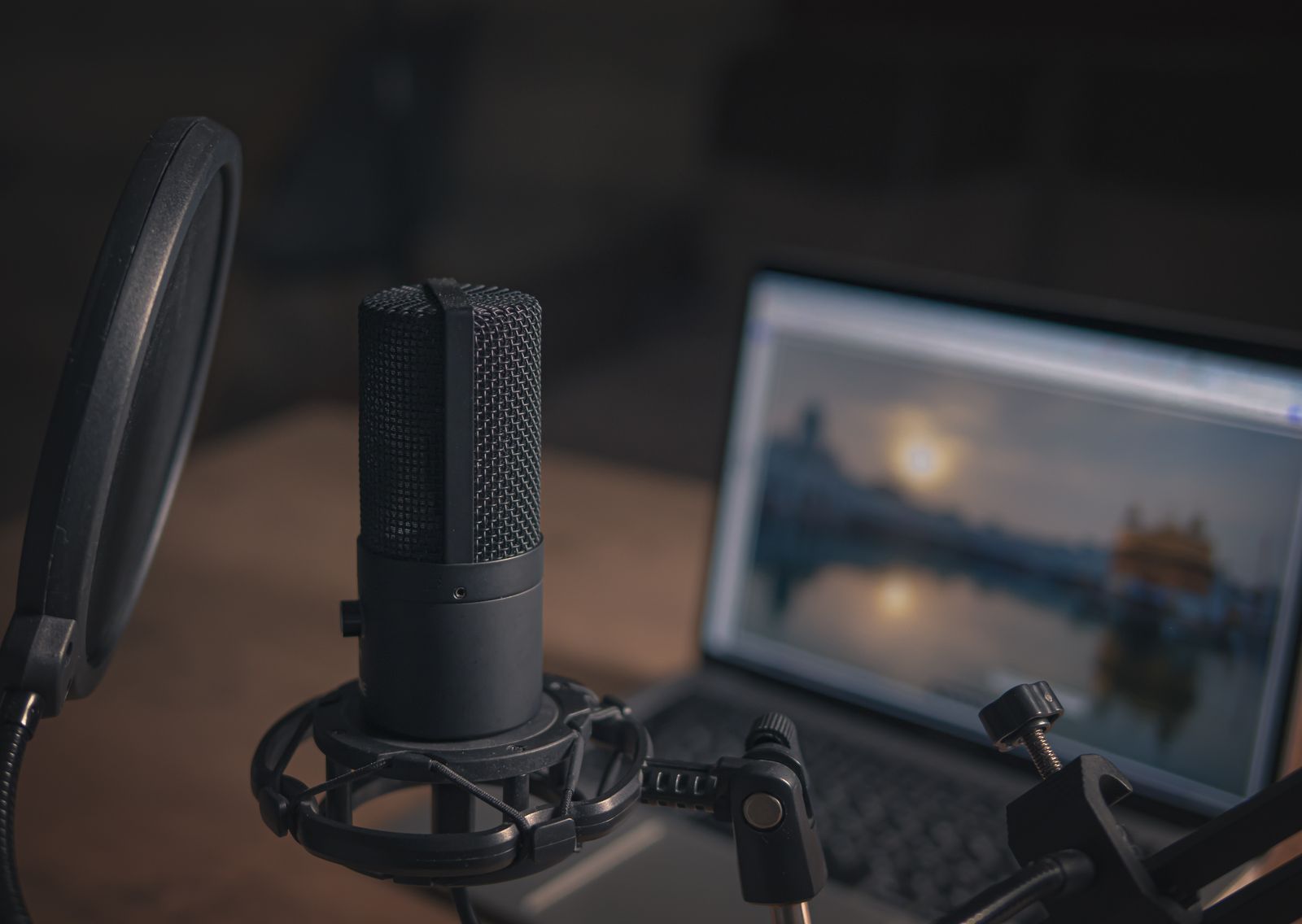
Set the microphone in the intended position and record a brief pause at normal recording settings. Listen back with headphones at a comfortable level. Note fans, traffic, household appliances, footsteps, and electronic alerts separately. A sound that seems minor while you are speaking may be conspicuous between phrases in the recording.
Repeat the check at two or three likely session times. You do not need a complicated survey: a note such as delivery traffic in the morning or kitchen activity after dinner can be enough. Distinguish predictable patterns from one-off interruptions so the schedule is based on useful evidence rather than one unusually quiet afternoon.
Remove controllable interruptions
Silence nonessential notifications and tell other household members when a short recording session is planned. Close a door or window where appropriate, but maintain comfortable ventilation and do not disable equipment that needs to remain running. Move a noisy computer farther from the microphone only if cable reach and airflow remain suitable.
Prepare the script, water, tuning, and project before the quiet window begins. A session spent searching for a cable can waste the period you identified. Record a quick level check and then work in manageable sections, leaving a brief pause before and after each section for editing.
Handle interruptions consistently
If an unexpected noise overlaps an important phrase, pause and repeat the phrase with enough surrounding context to make an edit. Mark the take or speak a brief note between recordings so the replacement is easy to find. Do not continue accumulating unmarked fragments and expect to remember every interruption later.
Keep a short recording of the room’s normal background during the session if it will help the editing workflow. Preserve the same microphone and gain settings for that reference. Afterward, review which interruptions actually affected the recording and update the preferred session time. A quieter schedule does not make the room isolated, but it can reduce avoidable problems without changing the equipment at all.