Describe the trip
Walking to a lesson with the instrument on your back is different from placing it in a vehicle with other equipment. A padded bag can be convenient for a short journey you control closely. A rigid case may provide a more protective shell for loading and storage, but its weight and handles can make a long walk less comfortable.
Do not infer airline acceptance or checked-baggage suitability from the words flight case. Transport rules and product ratings need separate confirmation. For ordinary local use, consider the actual risks: a crowded doorway, rain between car and building, heavy items nearby or a rehearsal room with little protected storage.
Fit matters in either format
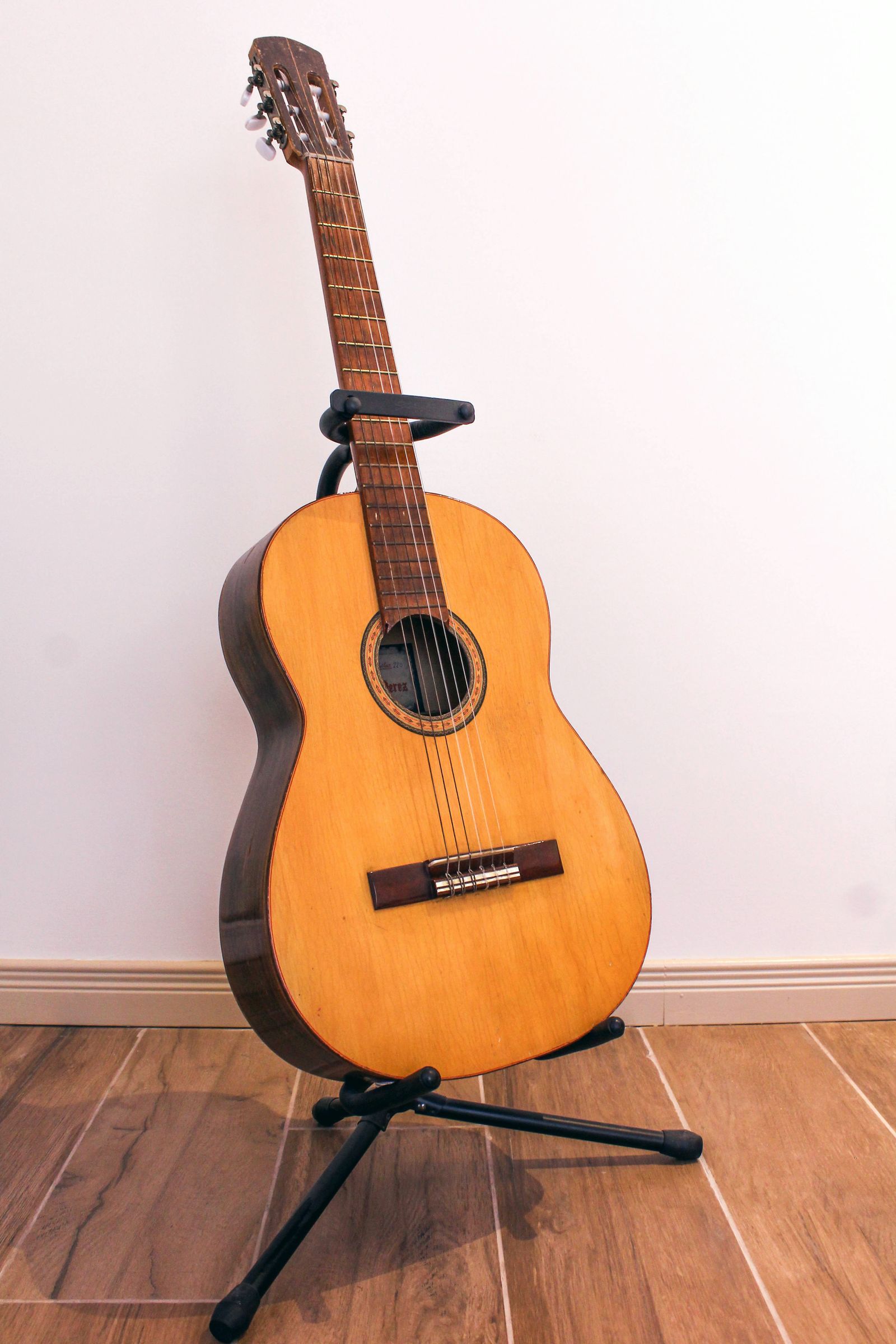
Measure body length, width and depth as well as total instrument length. Check the headstock angle and any unusual body outline. A case intended for a broad guitar category can still leave the neck unsupported or press against the bridge. The instrument should settle into place without forcing it, and the lid should close without pressure on vulnerable parts.
In a bag, examine the neck restraint, base padding and zipper clearance. Make sure the zipper does not drag across the finish when the instrument is removed. In a hard case, inspect the support blocks and latches. A guitar that moves around inside a rigid shell still has a fit problem.
Carry a realistic load
Try the handle and straps with the guitar inside. A comfortable empty bag tells you little about the complete load. Check whether the bag hangs too low, whether the headstock projects into doorframes and whether shoulder straps can be stowed when carried by hand. Do not overload an accessory pocket simply because there is space.
Keep heavy or sharp accessories in a compartment that cannot press into the guitar. A pedal, tool or loose adapter should not share an unprotected area with the instrument. If the case has a small internal box, verify that it closes securely before transport.
At home, choose a place where the case itself will not fall, become damp or obstruct the room. Inspect handles, seams and latches regularly. The more frequently the instrument travels, the more useful an easy inspection routine becomes: secure instrument, closed pockets, engaged fasteners and a clear route out of the room.