Set the speaking direction correctly
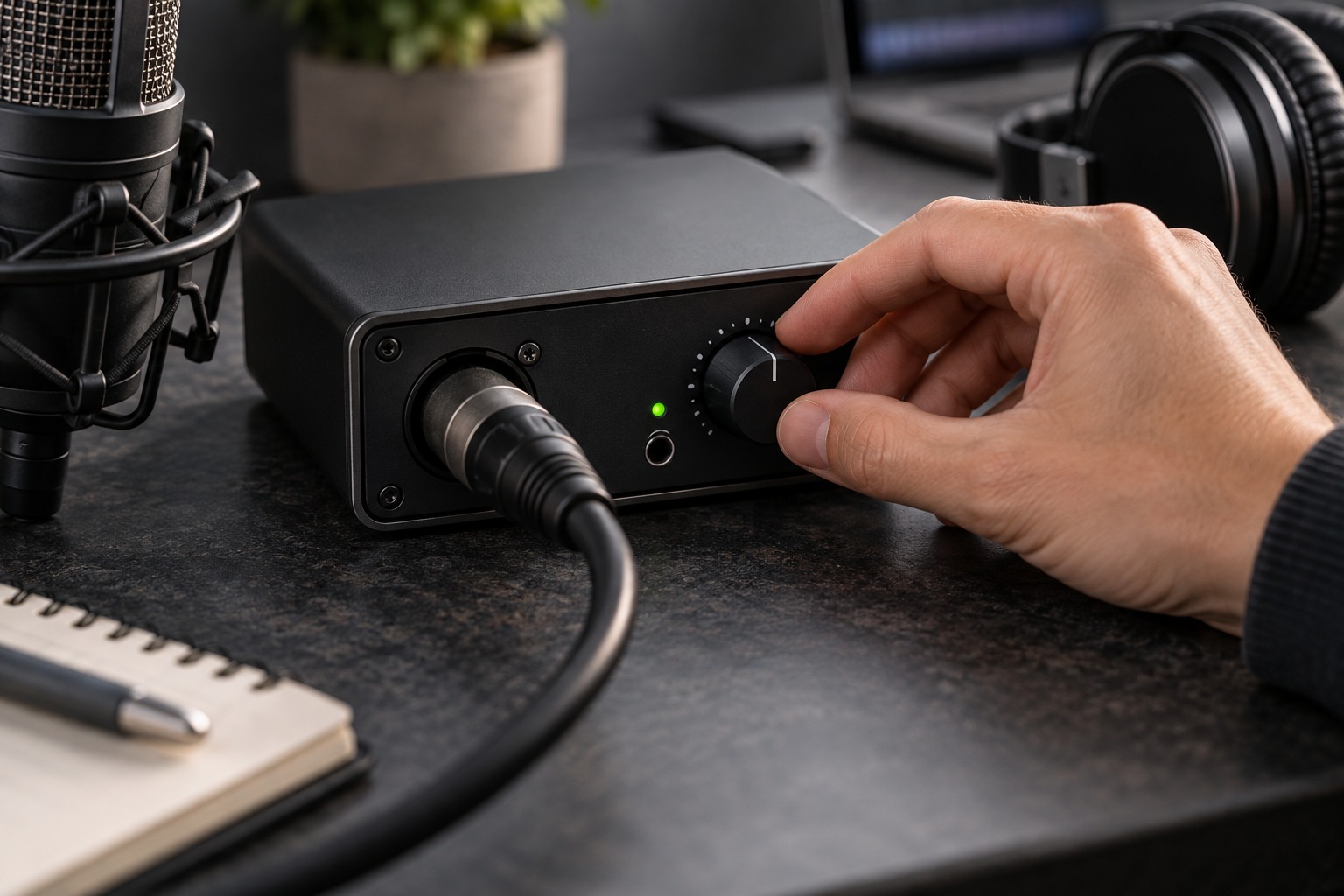
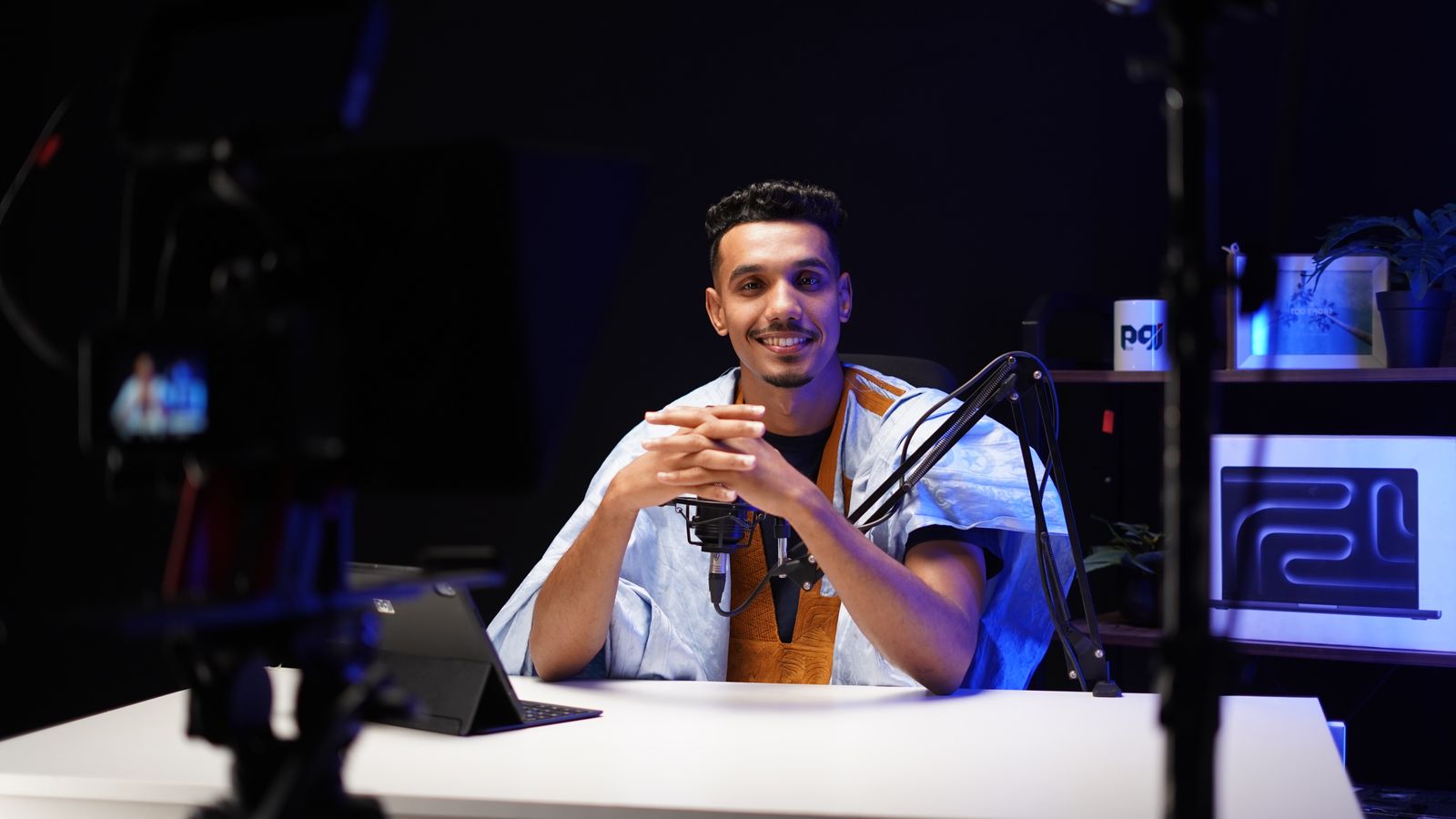
First confirm whether the microphone is designed for side-address or end-address use. Place the intended pickup side toward your mouth and use the maker’s suggested starting position if one is given. Sit naturally with the script or screen at a comfortable height. A distance measured while leaning forward will change as soon as you relax into the chair.
Record the same short passage from two or three reasonable distances. Keep the performance similar and label each take. Adjust gain as needed to avoid overload, then compare playback at similar listening levels. Otherwise, the closer or louder take may seem preferable simply because it plays back louder.
Listen for more than loudness
With many directional microphones, moving very close increases low-frequency emphasis through proximity effect. Shure’s vocal-recording guidance discusses this behavior. It can suit some voices, but excessive closeness may make speech less clear or more sensitive to small movements. Judge the individual microphone and voice rather than assuming the fullest bass is the most useful result.
Also listen for breath bursts on words beginning with p or b, room reflections between phrases, and changes when you turn slightly. A small off-axis adjustment or a properly positioned pop filter may improve plosives without requiring a large distance change. Make one adjustment at a time so you know which one helped.
Build a position you can keep
Use a stable stand and keep the cable from pulling the microphone out of position. Place the script near the speaking direction rather than far to one side. If you need to see a screen, position the microphone so it does not encourage you to lean around it. Consistency is more useful than a theoretically ideal position that obstructs the task.
Save a photograph or note of the chosen setup, including chair height and stand placement. Before a later session, record a brief reference phrase and compare it with the previous recording. This helps maintain continuity across episodes or sections recorded on different days. Recheck the distance after changing a chair, microphone mount, or desk arrangement instead of assuming the old measurement still describes the same posture.