Choose a reference with a purpose
Pick a track that relates to the question you are asking. A sparse vocal recording may help you consider vocal placement, while a dense electronic arrangement may be more relevant to low-end balance in that style. One reference does not need to answer every question. Write down the feature you want to compare before switching between tracks.
Use a legitimate copy you can access consistently. Avoid comparing a random low-quality preview with a full-resolution project and attributing every difference to mixing. Keep the source and version identifiable, especially if several releases or remasters of the same song are available.
Keep its path independent
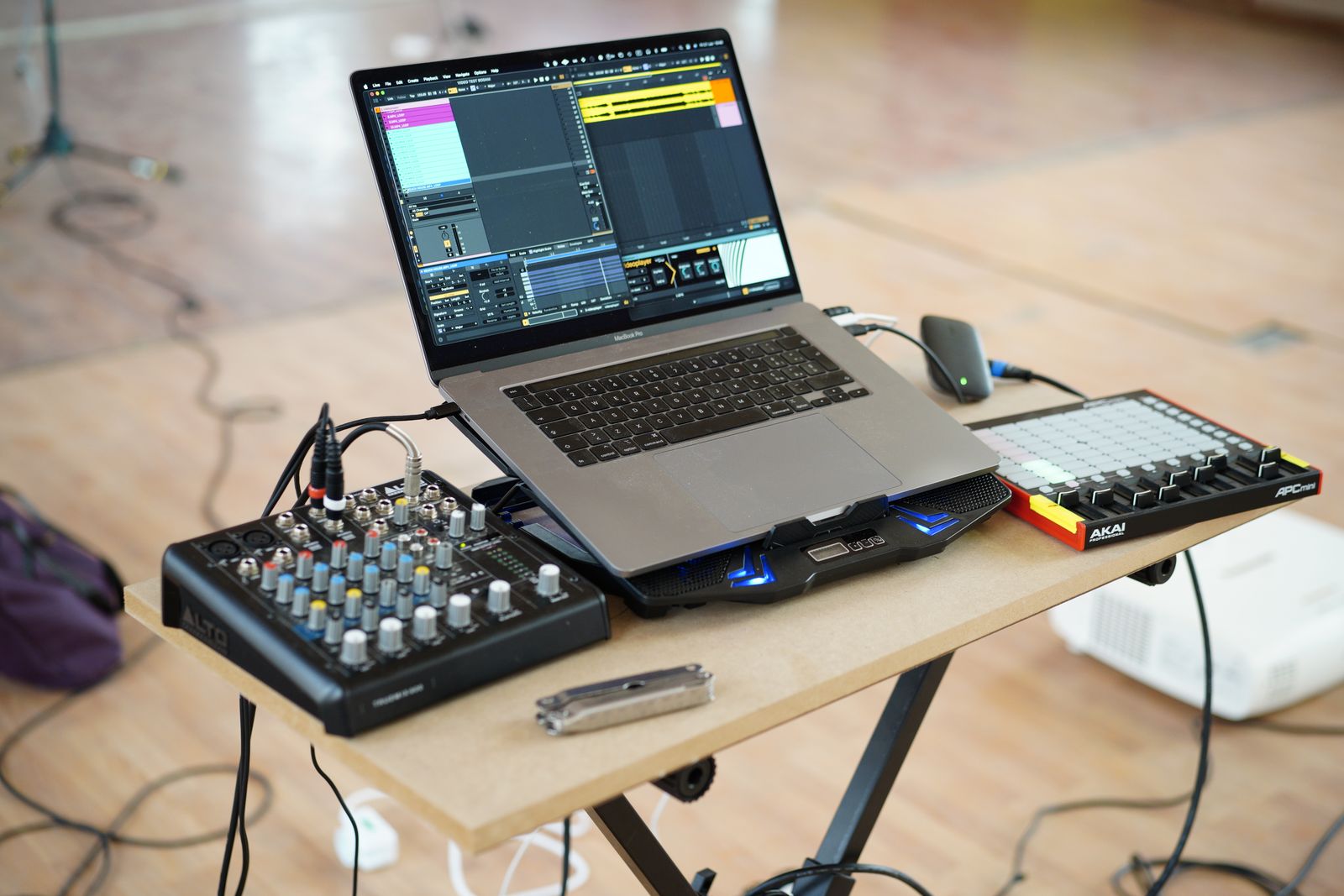
Route the reference so it does not unintentionally pass through processing intended for your mix. The exact method depends on the DAW. Check the path explicitly; dropping a finished song onto a track that feeds your mix-bus compressor changes the comparison. Also make sure the reference is excluded from the final export.
Reduce the reference level as needed for a fair listening comparison. A commercially released track may have a different overall level from a working mix. Louder is not automatically clearer or better. Use short alternating sections at a comfortable level and focus on the relationship you are evaluating.
Compare one question at a time
Listen to the vocal relative to the accompaniment, the density of the low frequencies or the apparent space around a snare. Make a concise note, then return to your own arrangement. Avoid trying to copy every detail of a recording made with different instruments, performers and production choices.
If the reference has a much busier arrangement, its tonal balance may not be directly transferable. A gap in your own instrumentation can be an artistic choice rather than a defect to fill with equalization. Consider whether the difference comes from the performance and arrangement before reaching for another processor.
Use breaks and alternate playback sensibly
Long repeated listening can make small changes difficult to judge. Take a break, then revisit the same question. If you use another familiar playback system, keep the comparison controlled and avoid making a new set of adjustments after every device. Look for recurring observations rather than chasing each speaker's individual character.
Before exporting, mute or remove the reference according to your workflow and verify the render. Do not include someone else's recording in a shared project package unless you have the necessary permission. The reference is a listening aid; the deliverable should contain your intended work and clearly identified material you are authorized to share.